
New diagnostic laboratory in Ivory Coast

Thanks Salute e Sviluppo, today, the ‘Beato Luigi Tezza’ health centre in Kakumbo (Côte d’Ivoire) offers the population a complete, adequate and accurate diagnosis through reliable and quality results. Now, many patients can have biochemical examinations here, without having to travel many kilometres to find a well-equipped laboratory that can accommodate them.

Continue reading

Drought emergency in Kenya – Wajir County

The impact of the recurring drought in Wajir County, where SeS works with local communities, has affected the most vulnerable population causing food insecurity and malnutrition. In recent years, Wajir County has experienced low rainfall with an increase of the dry season. The consequences have had a serious impact on people’s livelihoods: agriculture and animal husbandry, the two main sources of income for rural communities.

Between 18 and 23 October, our partner – the Camillian Task Force in Kenya (Cadis International) – conducted an assessment to evaluate the impact of the current drought on the community. Gaps were identified in four different areas: food, livelihoods, water and sanitation, and health.

Help us to support interventions in Wajir County! This initiative includes:

– Food security programme: supporting food security in the region through agricultural techniques
– Water and sanitation: provision of clean water for domestic use and irrigation and construction of eco-toilets
– Health programme: Mobile clinics
Make your contribution now!
Kenya - drought
Salute e Sviluppo
IBAN: IT62G0200805181000400321240 (Unicredit)
or
IBAN: IT17 X076 0103 2000 0002 6485 086 (BancoPosta)
Reason:Drought in Kenya

Support for the population of Kerala affected by the cyclone

Due to the passage of a mini cyclone over the central-eastern coast of the Arabian Sea, torrential rains and floods hit several districts (Kottayam, Idukki, Thrissur and Ernakulam) of Indian Kerala, destroying houses and causing several victims.

Our local partners, the Camillians of Sneha Charitable Trust, in collaboration with the Camillian Task Force (Cadis International) have organized a relief mission (Flood Relief Mission) in favor of the affected population, distributing basic necessities and helping in the reconstruction of homes destroyed.

Support our mission and donate to help families in need affected by the emergency!


Salute e Sviluppo

IBAN IT62G0200805181000400321240 (Unicredit)

or

IBAN IT17 X076 0103 2000 0002 6485 086 (BancoPosta)

reason: Flood Relief Mission Kerala

CENTRAL AFRICAN REPUBLIC: GROWING COMMITMENT TO HEALTH AND NUTRITION

Thanks to the initiative “Health and Nutrition for the vulnerable population of the Sub-prefecture of Bossemptélé“, funded by the Italian Agency for Development Cooperation (AICS)continues the commitment of Salute e Sviluppo to increase access to basic essential services in the Central African Republic. The project, launched on 27 September 2021, is in continuity with previous emergency initiatives in support of the population of Bossemptélé, with the aim of ensuring access to health, food and water for vulnerable groups.

The Central African Republic (CAR) is one of the poorest countries in the world. The serious humanitarian crisis that has affected the country for years continues to have dramatic repercussions on the living conditions of the population.

At the health level, the country is in a chronic state of emergency due to the lack of adequate drugs and equipment and the lack of qualified and specialized personnel. Health facilities outside the capital are almost non-existent and recent clashes between rebel forces and government militias have severely limited their ability to provide care, particularly to women and children.

In the Bossemptélé prefecture, the rate of access to health services is only 45%. The Saint John Paul II Hospital is the only hospital in the city. Patients (including urgent cases) are received in a small, single room where consultations are also carried out. The space for first aid is definitely inadequate and insufficiently equipped. Only in five villages are there poste de santé, first level facilities located in remote and peripheral areas, in which “securiste” (nurses who have no qualifications) work, and which operate mainly on a community basis. They are in a precarious condition, consisting of one or two small rooms, with roofs and walls full of cracks and large openings that cause flooding in case of rain, where people give birth on the floor in the absence of beds and chairs. Most of them are unfurnished, lacking consumables and medical equipment. Some are used as a night shelter when not on duty.

In this fragile context, the project aims to strengthen the health and nutritional care of local communities, increasing the availability, quality and coverage of the services offered in hospitals and villages and ensuring access to food and water.

What the project will actually do for the benefit of about 25,000 people in the intervention area will act on two interconnected levels.

In the Hospital is planned to:

  • Rehabilitate the first reception room and consultations
  • Provide medicines and consumables
  • Organise training sessions for health personnel
  • Build and equip a room for food preparation
  • Distribute daily meals to patients

In the villages is planned to:

  • Rehabilitate three dispensaries and build a new poste de santé
  • Training the poste de santé operators
  • Strengthening the mobile clinic and information education and communication (IEC) service on hygiene and nutrition

The project will run for one year. We will keep you updated soon on the progress of the activities and its results that we will achieve!

Strengthening the health services of the John Paul II Hospital in Bossemptélé

In Bossemptélé village (Ohuam Pendé Region, CAR), Salute e Sviluppo’s work continued in the health sector through the implementation of a further emergency initiative called “Strengthening of the health services of the John Paul II Hospital in Bossemptélé”,co-financed by AICS – Italian Agency for International Cooperation.

The project, started on December 8th 2019 and concluded on May 7th 2021, achieved its objective of “improving the access to health services for vulnerable people in Bossemptélé Subprefecture, by streghtening the John Paul II Hospital and ensuring adequate and quality response to the territory’s needs, also through a widespread work of assistance and care in the neighbouring villages of the Subprefecture.

Thanks to the project activities we were able to provide adequate supply of medicines and to pay part of the cost for the healthcare staff. Despite the pandemic situation, overall we were still able to provide the sefvices trough all Covid-19 period, however with small shortage of services between March 2020 and April 2020. in addition, the hospital has been equipped with various medical instruments and equipment, including HIV and Covid-19 tests, improving the effectiveness of healthcare services. To date, a total of 11.113 patients have been treated, of which 7.721 are women and 3.393 are men (with a monthly average of 654 hospital admissions).
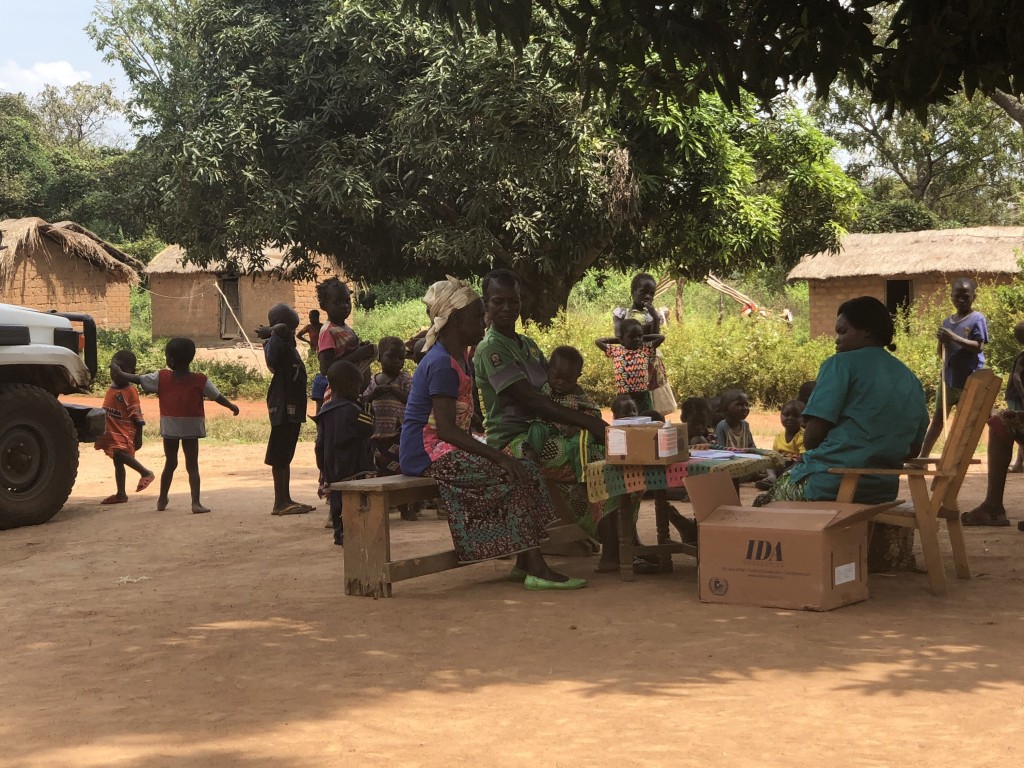
clinic-mobile-within-villages

Given the impossibility of carrying out the specialized training activities on site – due the Covid-19 pandemic emergency and the restrictions imposed on mobility at international level – trainings have been carried out between the end of January and April 2021, through the “distance learning methology”. In particular, training have covered the following subjects: orthopaedic surgery, anaesthesia, neonatology/pediatrics, diagnostic imaging (radiography and ultrasound). The training activity involved a total of 22 health workers, 9 women and 13 men.

With regards to coordination meetings within dispensaries and health centres in the area, have been involved five managing director of the five “Poste de Santé” located in the neighbouring villages on the Bossemptélé-Bozum axis and on the Bossemptélé-Bouar axis. These meetings have been crucial to improve coordination between the hospital and the public dispensaries with regard to the care of the patients and to strengthen dialogue and cooperation with ‘traditional practitioners’, clarifying the role of traditional medicine, without interferring with modern medicine. Finally, thanks to the training on the job on drug management, all participants improved their skills and increased their knowledge on key issues, essential for their future autonomy at the local level.

In order to extend the health services to the communities, a mobile clinic service has been organized in the villages with the use of an ambulance (purchased thanks to Aics funding) with the presence of a health team made up of two nurses and two hospital counselors. The activity has been carried out twice a week, reached 3.346 people, of which 2.314 women, 1.122 men (and 2.286 children). The health service, since its inception, has always been fully functional and in full compliance with Covid-19 presidential provision, carrying out home visits aimed at health care and psychological support.
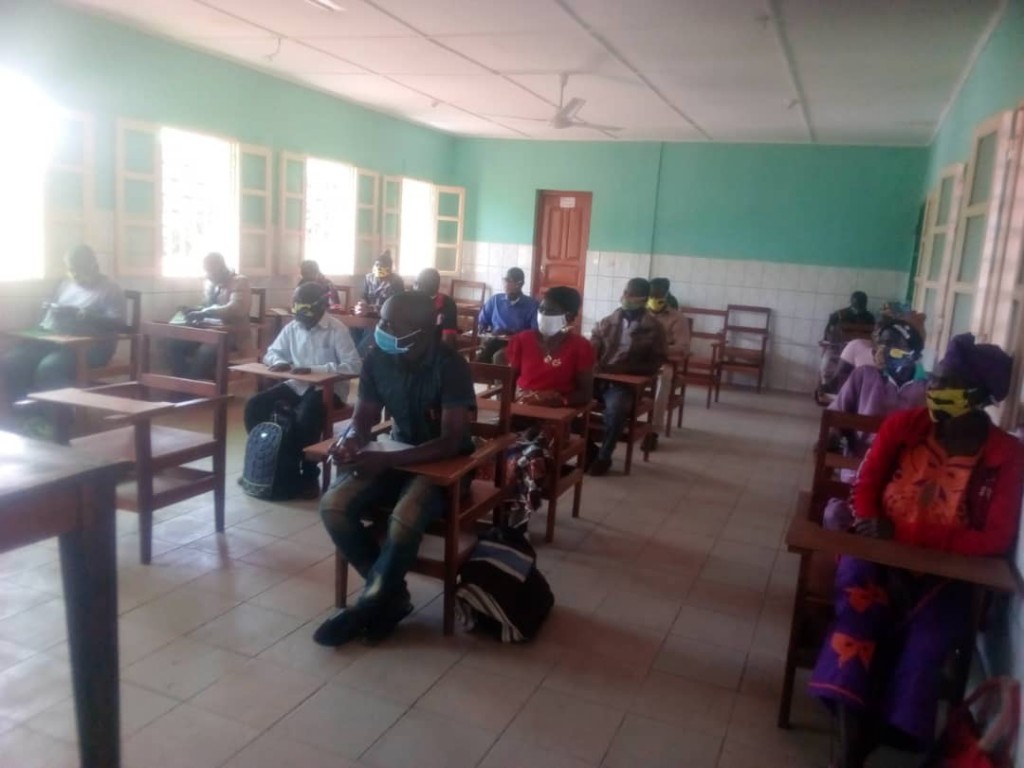
Training-of health-staff-1

The Information, Education and Communication (IEC) activities on “health and hygiene” issues represented a key component of the action, reaching the active participation of 4.043 people, of which 2.182 women and 1.861 men. Once a week, two social educators from the Hospital have been going into the villages and communities dealing with the following topics: prevention of the main endemic diseases and infections, malnutrition, prenatal consultations, child protection, birth declaration, the importance of schooling, etc. . Due to the high interest showed by the participants reganding this topics, we have decided to involve 30 women (instead of the expected 5) in the “au pair education” activity. Thanks to more people involved the project would get more well-know also for the other inhabitant of the village.

Regarding the implementation of all activities and the achievement of all project’s goals, both the work from the local partners (The John Paul II Hospital and the Cammillians Community in CAR) and the support of all the local stakeholder (Ministry of Health and Population, ASSOMESCA Association, the Order of Carmelite Sisters) were fundamental.

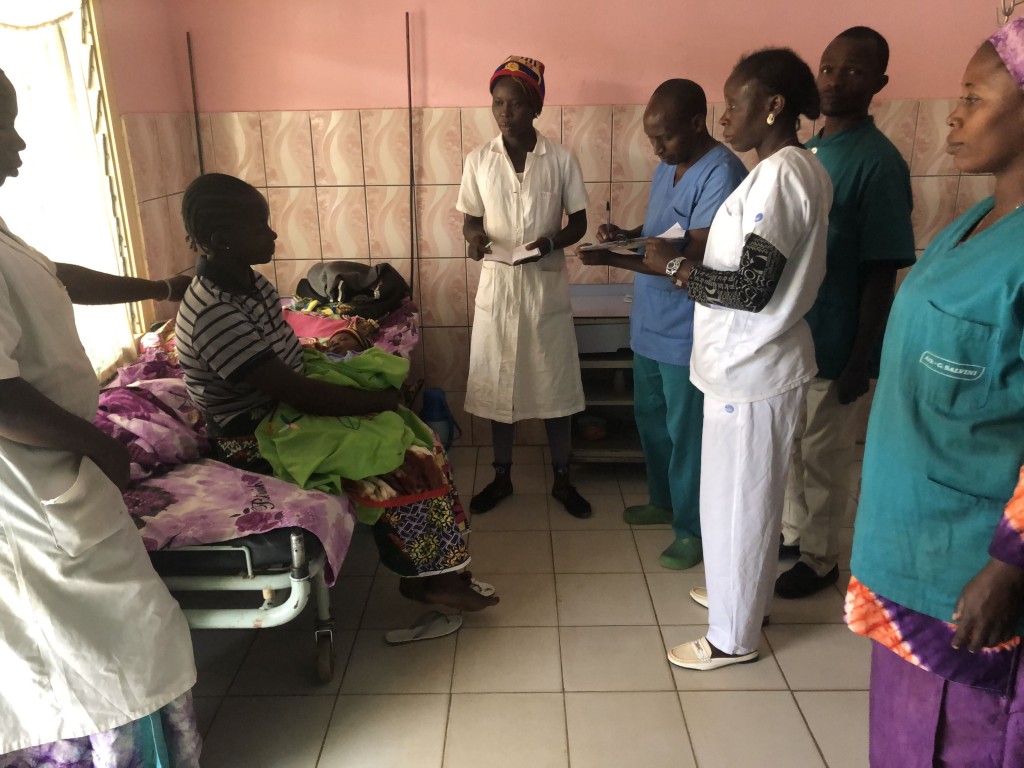
The project has laid the foundations for further development and growth actions in the territory, in synergy with other initiatives carried out by SeS in CAR. At social level, all activities represent important cognitive tools for safeguarding community health in the medium-long term, producing a tangible impact on the target groups, also promoting common sensitivity and responsibility.medical-consultations-in-hospitalhealthcare-equipment
 

Subscribe to newsletter

Sign up for the newsletter to stay updated on the latest news about Salute e Sviluppo.

error: Content is protected !!