Strengthening the health services of the John Paul II Hospital in Bossemptélé
In Bossemptélé village (Ohuam Pendé Region, CAR), Salute e Sviluppo’s work continued in the health sector through the implementation of a further emergency initiative called “Strengthening of the health services of the John Paul II Hospital in Bossemptélé”,co-financed by AICS – Italian Agency for International Cooperation.
The project, started on December 8th 2019 and concluded on May 7th 2021, achieved its objective of “improving the access to health services for vulnerable people in Bossemptélé Subprefecture, by streghtening the John Paul II Hospital and ensuring adequate and quality response to the territory’s needs, also through a widespread work of assistance and care in the neighbouring villages of the Subprefecture.Thanks to the project activities we were able to provide adequate supply of medicines and to pay part of the cost for the healthcare staff. Despite the pandemic situation, overall we were still able to provide the sefvices trough all Covid-19 period, however with small shortage of services between March 2020 and April 2020. in addition, the hospital has been equipped with various medical instruments and equipment, including HIV and Covid-19 tests, improving the effectiveness of healthcare services. To date, a total of 11.113 patients have been treated, of which 7.721 are women and 3.393 are men (with a monthly average of 654 hospital admissions).
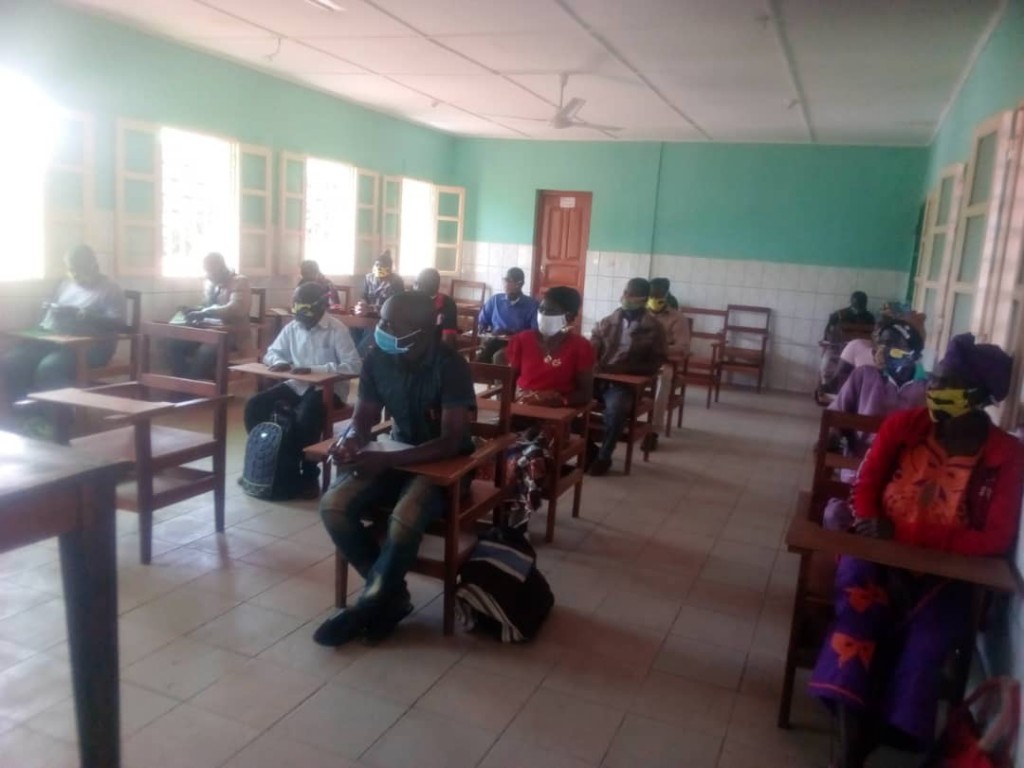
 Given the impossibility of carrying out the specialized training activities on site – due the Covid-19 pandemic emergency and the restrictions imposed on mobility at international level – trainings have been carried out between the end of January and April 2021, through the “distance learning methology”. In particular, training have covered the following subjects: orthopaedic surgery, anaesthesia, neonatology/pediatrics, diagnostic imaging (radiography and ultrasound). The training activity involved a total of 22 health workers, 9 women and 13 men.
With regards to coordination meetings within dispensaries and health centres in the area, have been involved five managing director of the five “Poste de Santé” located in the neighbouring villages on the Bossemptélé-Bozum axis and on the Bossemptélé-Bouar axis. These meetings have been crucial to improve coordination between the hospital and the public dispensaries with regard to the care of the patients and to strengthen dialogue and cooperation with ‘traditional practitioners’, clarifying the role of traditional medicine, without interferring with modern medicine. Finally, thanks to the training on the job on drug management, all participants improved their skills and increased their knowledge on key issues, essential for their future autonomy at the local level.
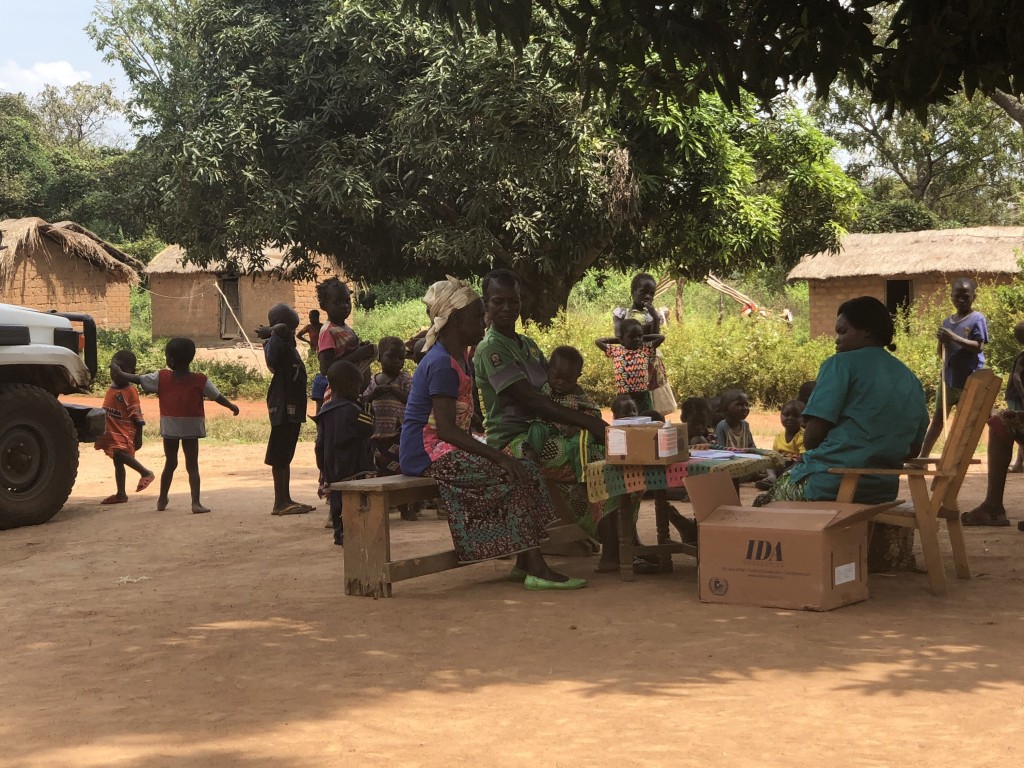
In order to extend the health services to the communities, a mobile clinic service has been organized in the villages with the use of an ambulance (purchased thanks to Aics funding) with the presence of a health team made up of two nurses and two hospital counselors. The activity has been carried out twice a week, reached 3.346 people, of which 2.314 women, 1.122 men (and 2.286 children). The health service, since its inception, has always been fully functional and in full compliance with Covid-19 presidential provision, carrying out home visits aimed at health care and psychological support.
Given the impossibility of carrying out the specialized training activities on site – due the Covid-19 pandemic emergency and the restrictions imposed on mobility at international level – trainings have been carried out between the end of January and April 2021, through the “distance learning methology”. In particular, training have covered the following subjects: orthopaedic surgery, anaesthesia, neonatology/pediatrics, diagnostic imaging (radiography and ultrasound). The training activity involved a total of 22 health workers, 9 women and 13 men.
With regards to coordination meetings within dispensaries and health centres in the area, have been involved five managing director of the five “Poste de Santé” located in the neighbouring villages on the Bossemptélé-Bozum axis and on the Bossemptélé-Bouar axis. These meetings have been crucial to improve coordination between the hospital and the public dispensaries with regard to the care of the patients and to strengthen dialogue and cooperation with ‘traditional practitioners’, clarifying the role of traditional medicine, without interferring with modern medicine. Finally, thanks to the training on the job on drug management, all participants improved their skills and increased their knowledge on key issues, essential for their future autonomy at the local level.
In order to extend the health services to the communities, a mobile clinic service has been organized in the villages with the use of an ambulance (purchased thanks to Aics funding) with the presence of a health team made up of two nurses and two hospital counselors. The activity has been carried out twice a week, reached 3.346 people, of which 2.314 women, 1.122 men (and 2.286 children). The health service, since its inception, has always been fully functional and in full compliance with Covid-19 presidential provision, carrying out home visits aimed at health care and psychological support.
 The Information, Education and Communication (IEC) activities on “health and hygiene” issues represented a key component of the action, reaching the active participation of 4.043 people, of which 2.182 women and 1.861 men. Once a week, two social educators from the Hospital have been going into the villages and communities dealing with the following topics: prevention of the main endemic diseases and infections, malnutrition, prenatal consultations, child protection, birth declaration, the importance of schooling, etc. . Due to the high interest showed by the participants reganding this topics, we have decided to involve 30 women (instead of the expected 5) in the “au pair education” activity. Thanks to more people involved the project would get more well-know also for the other inhabitant of the village.
Regarding the implementation of all activities and the achievement of all project’s goals, both the work from the local partners (The John Paul II Hospital and the Cammillians Community in CAR) and the support of all the local stakeholder (Ministry of Health and Population, ASSOMESCA Association, the Order of Carmelite Sisters) were fundamental.
The project has laid the foundations for further development and growth actions in the territory, in synergy with other initiatives carried out by SeS in CAR. At social level, all activities represent important cognitive tools for safeguarding community health in the medium-long term, producing a tangible impact on the target groups, also promoting common sensitivity and responsibility.
The Information, Education and Communication (IEC) activities on “health and hygiene” issues represented a key component of the action, reaching the active participation of 4.043 people, of which 2.182 women and 1.861 men. Once a week, two social educators from the Hospital have been going into the villages and communities dealing with the following topics: prevention of the main endemic diseases and infections, malnutrition, prenatal consultations, child protection, birth declaration, the importance of schooling, etc. . Due to the high interest showed by the participants reganding this topics, we have decided to involve 30 women (instead of the expected 5) in the “au pair education” activity. Thanks to more people involved the project would get more well-know also for the other inhabitant of the village.
Regarding the implementation of all activities and the achievement of all project’s goals, both the work from the local partners (The John Paul II Hospital and the Cammillians Community in CAR) and the support of all the local stakeholder (Ministry of Health and Population, ASSOMESCA Association, the Order of Carmelite Sisters) were fundamental.
The project has laid the foundations for further development and growth actions in the territory, in synergy with other initiatives carried out by SeS in CAR. At social level, all activities represent important cognitive tools for safeguarding community health in the medium-long term, producing a tangible impact on the target groups, also promoting common sensitivity and responsibility.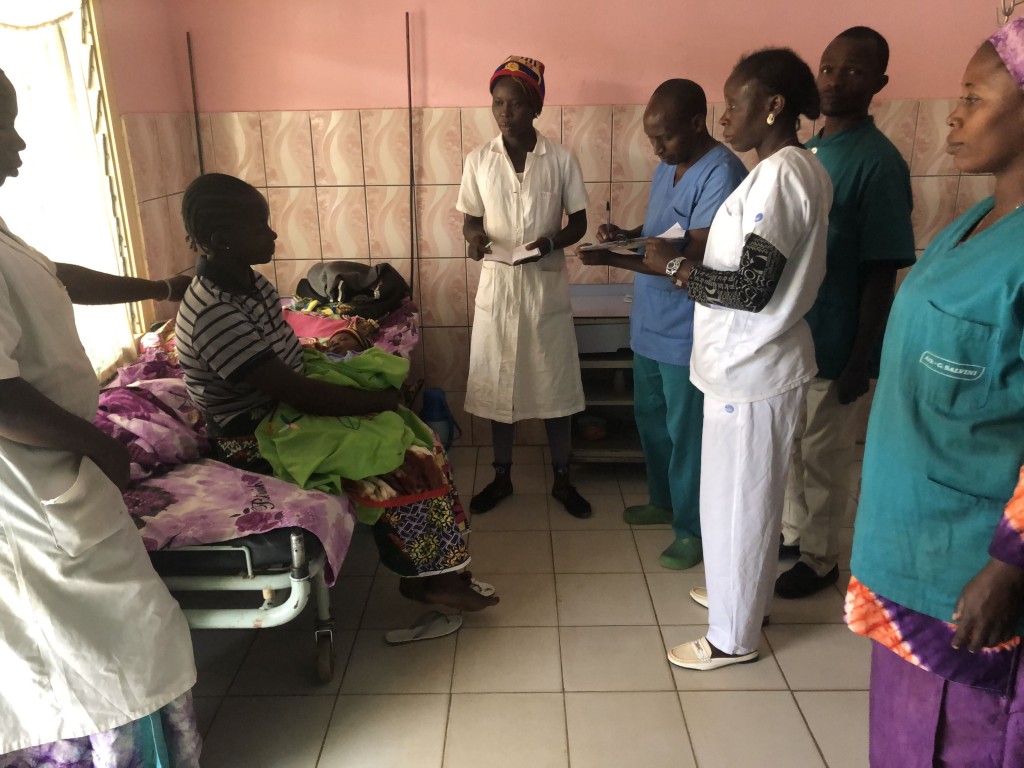

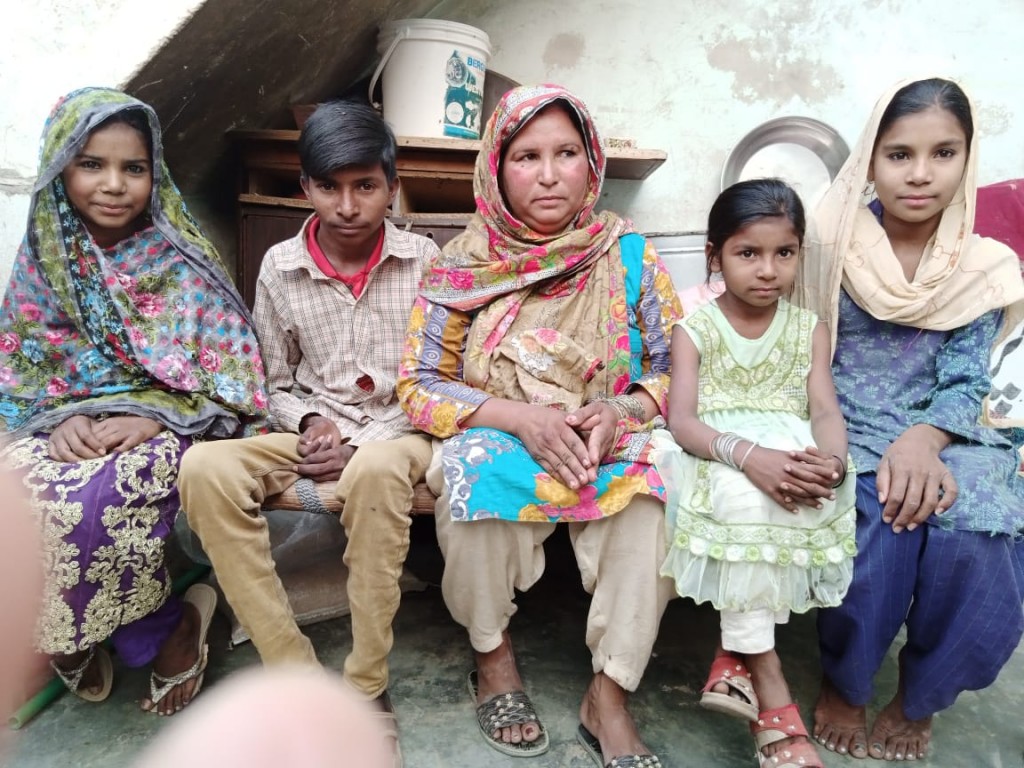
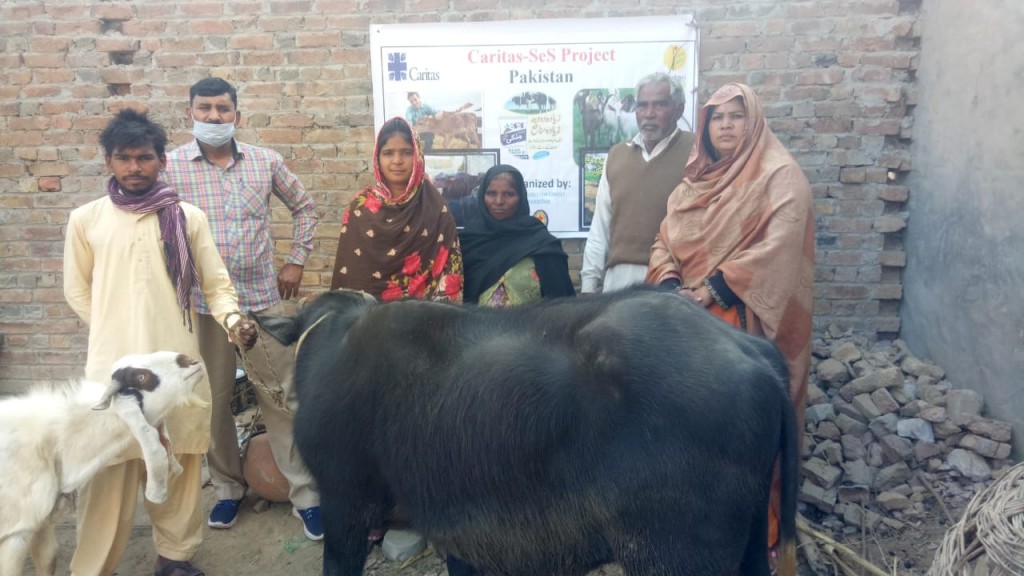
 Part of the milk produced is used to feed the families, while a part is sold in the local market, thus ensuring a source of income.
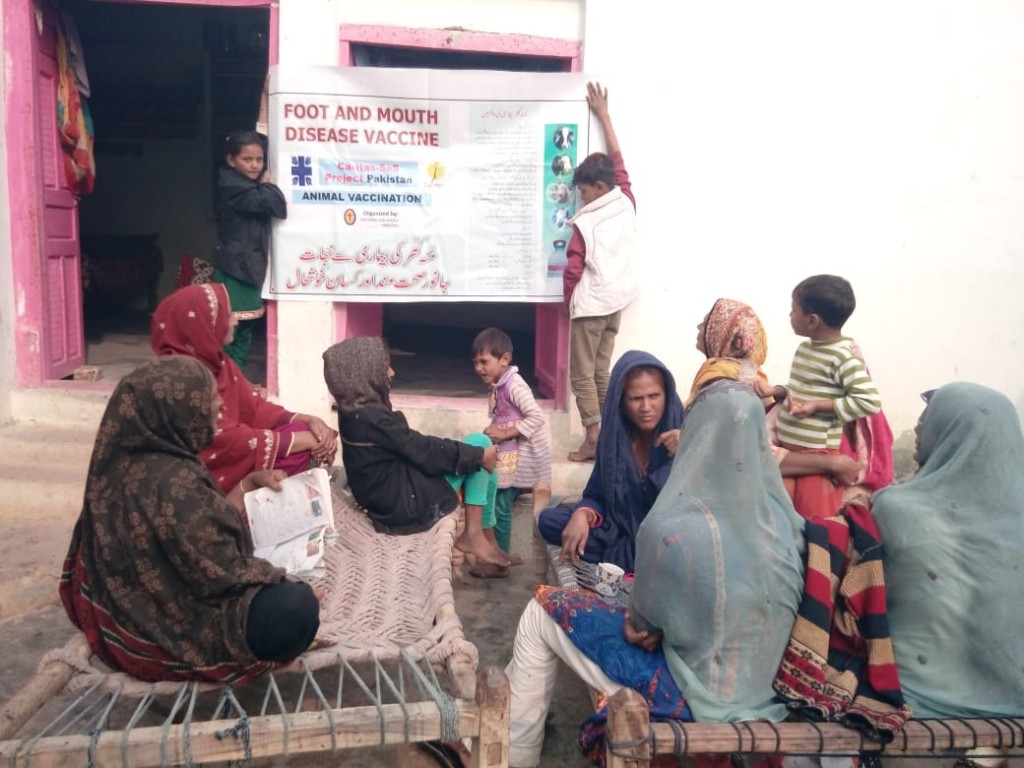
Secondly, a local expert trainer provides training, involving families and the community, on the importance of dairy products as a source of animal protein and a preferred food in the daily diet. Awareness-raising sessions on food and nutrition safety have been also organised, in which information materials distributed showing some good food practices in a simple and straightforward way.
Part of the milk produced is used to feed the families, while a part is sold in the local market, thus ensuring a source of income.
Secondly, a local expert trainer provides training, involving families and the community, on the importance of dairy products as a source of animal protein and a preferred food in the daily diet. Awareness-raising sessions on food and nutrition safety have been also organised, in which information materials distributed showing some good food practices in a simple and straightforward way.
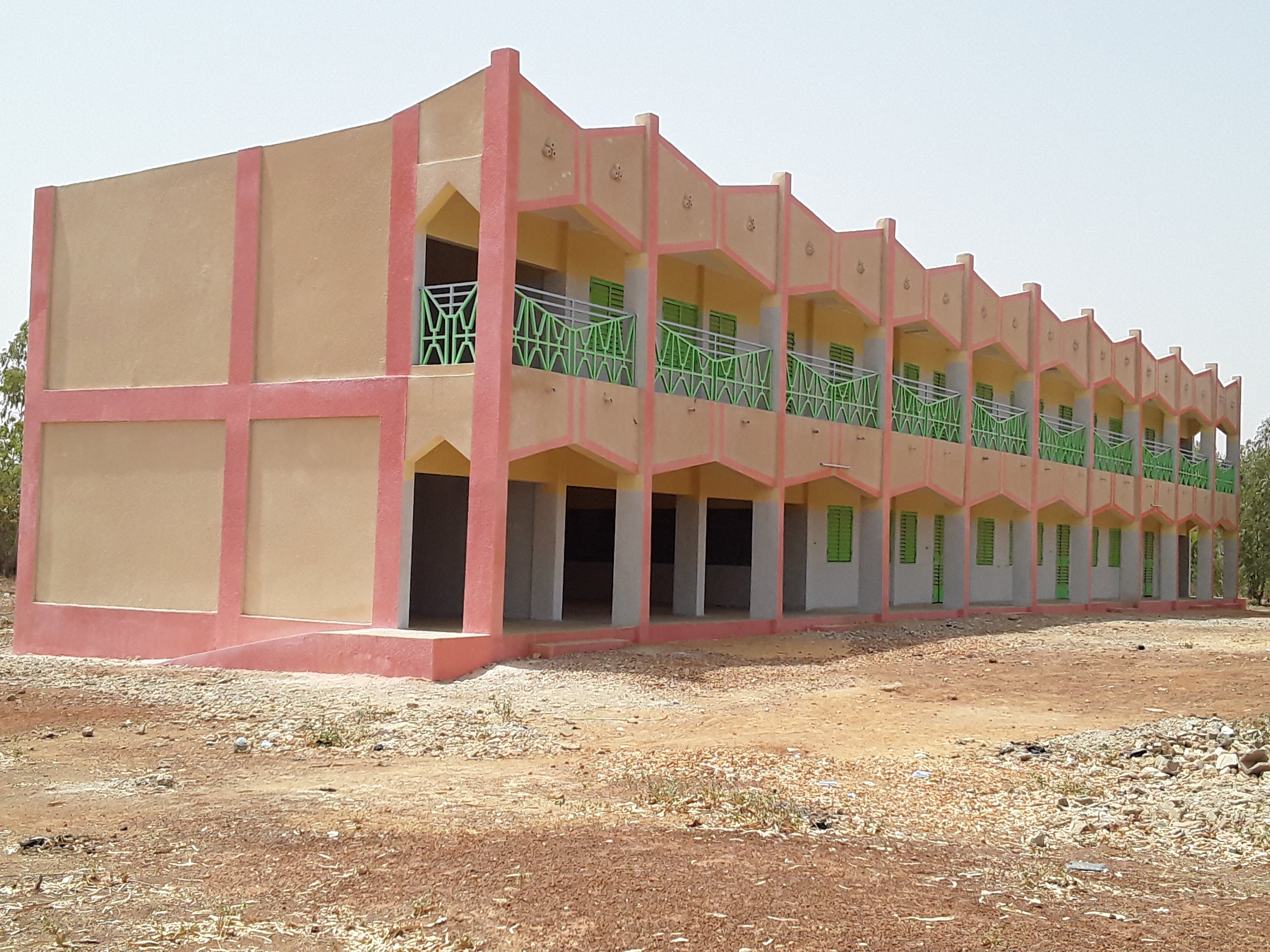 The post-primary course lasts 3 or 4 years and trains pupils for secondary education or professional life, concluding with a diploma at the end of basic education.
The secondary course, on the other hand, lasts 3 years and ends with the award of the BAC diploma (premier diplôme universitaire) with which boys and girls can access university courses.
The post-primary course lasts 3 or 4 years and trains pupils for secondary education or professional life, concluding with a diploma at the end of basic education.
The secondary course, on the other hand, lasts 3 years and ends with the award of the BAC diploma (premier diplôme universitaire) with which boys and girls can access university courses.
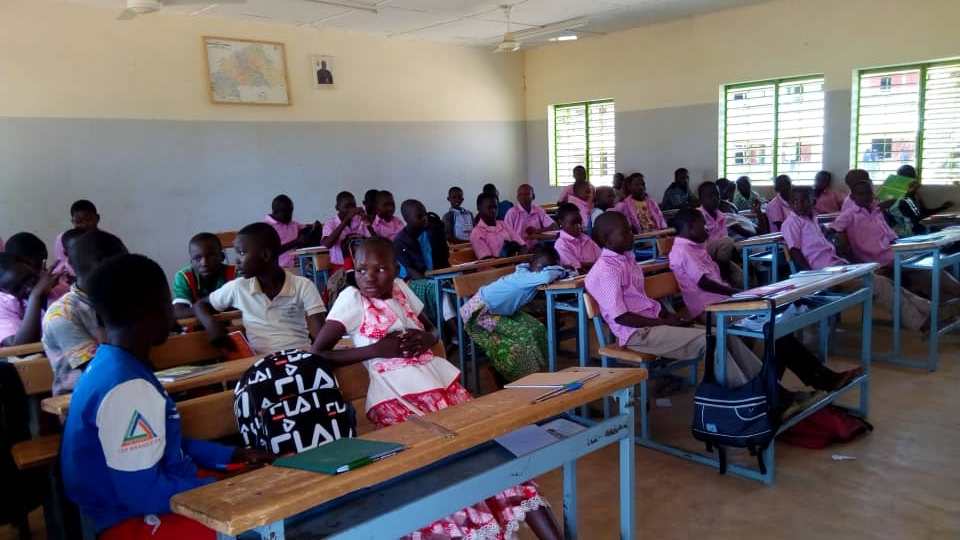 In this way, 480 students, who have completed their primary education at neighbouring schools, have the opportunity to continue their studiesat post-primary and secondary level.
Alongside school activities, an awareness and information campaign was also launched in the surrounding schools to encourage pupils to enrol in post-primary school, with the involvement of their parents. Parents showed their awareness of the importance for their children to continue their studies.
In this way, 480 students, who have completed their primary education at neighbouring schools, have the opportunity to continue their studiesat post-primary and secondary level.
Alongside school activities, an awareness and information campaign was also launched in the surrounding schools to encourage pupils to enrol in post-primary school, with the involvement of their parents. Parents showed their awareness of the importance for their children to continue their studies.
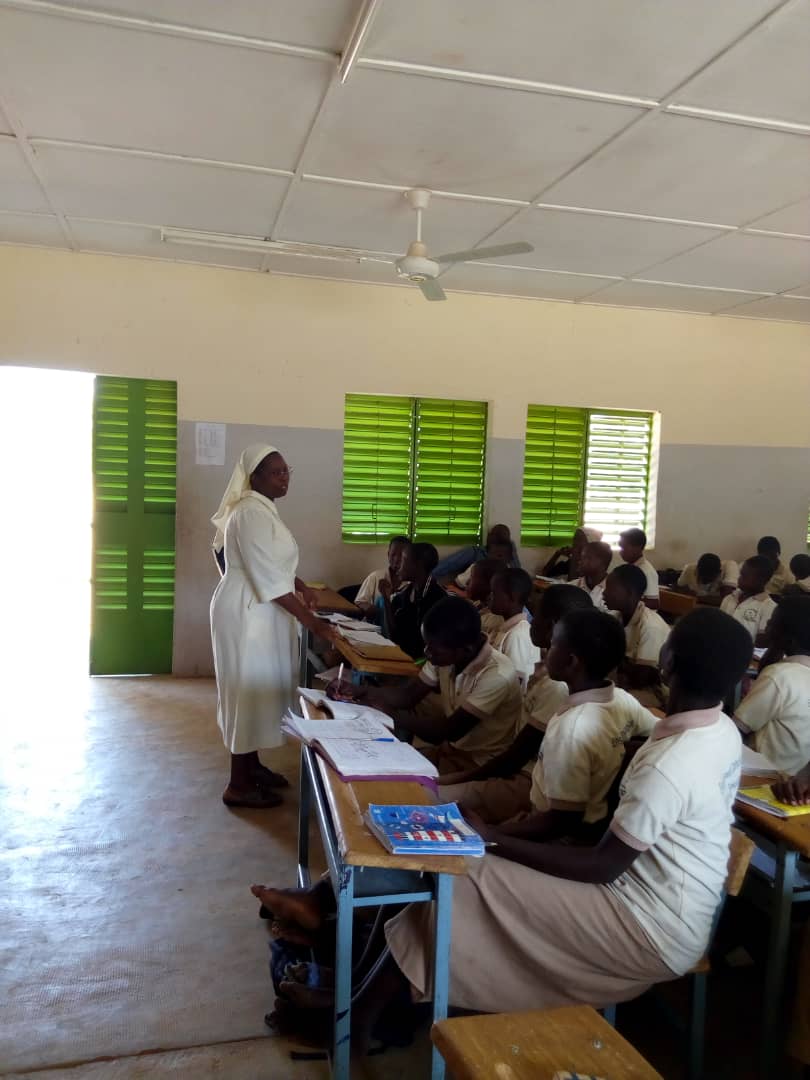
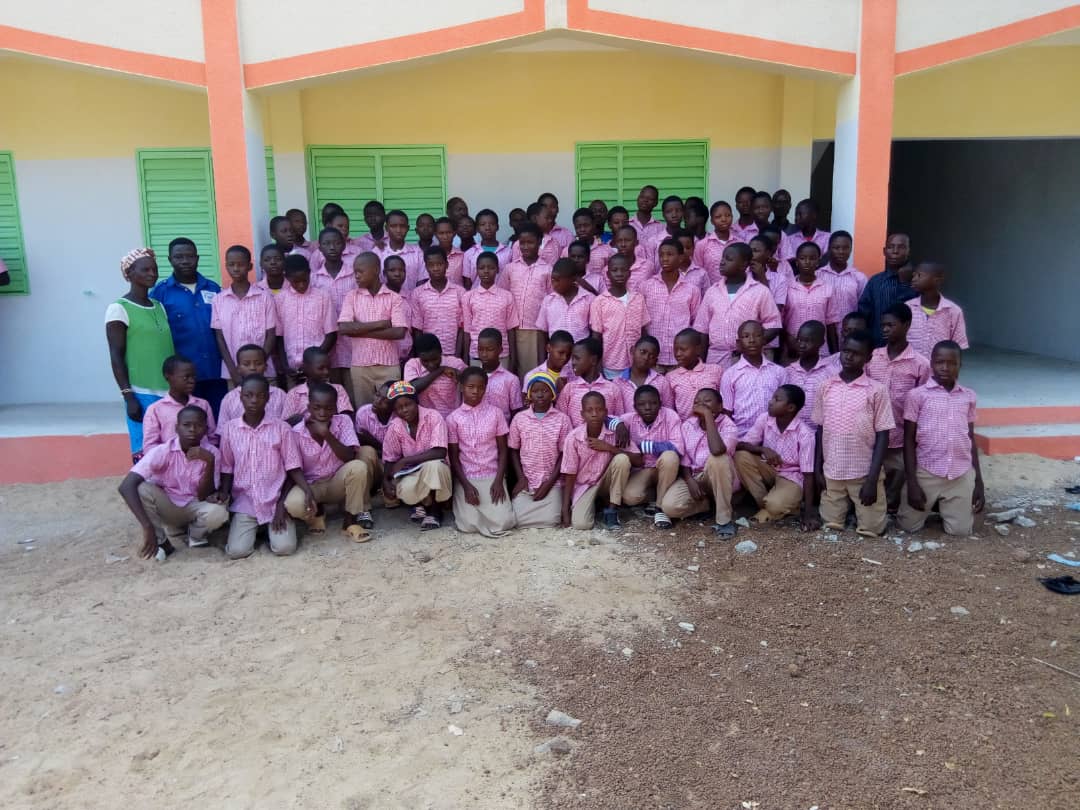 pictures were taken before the Covid-19 emergency